
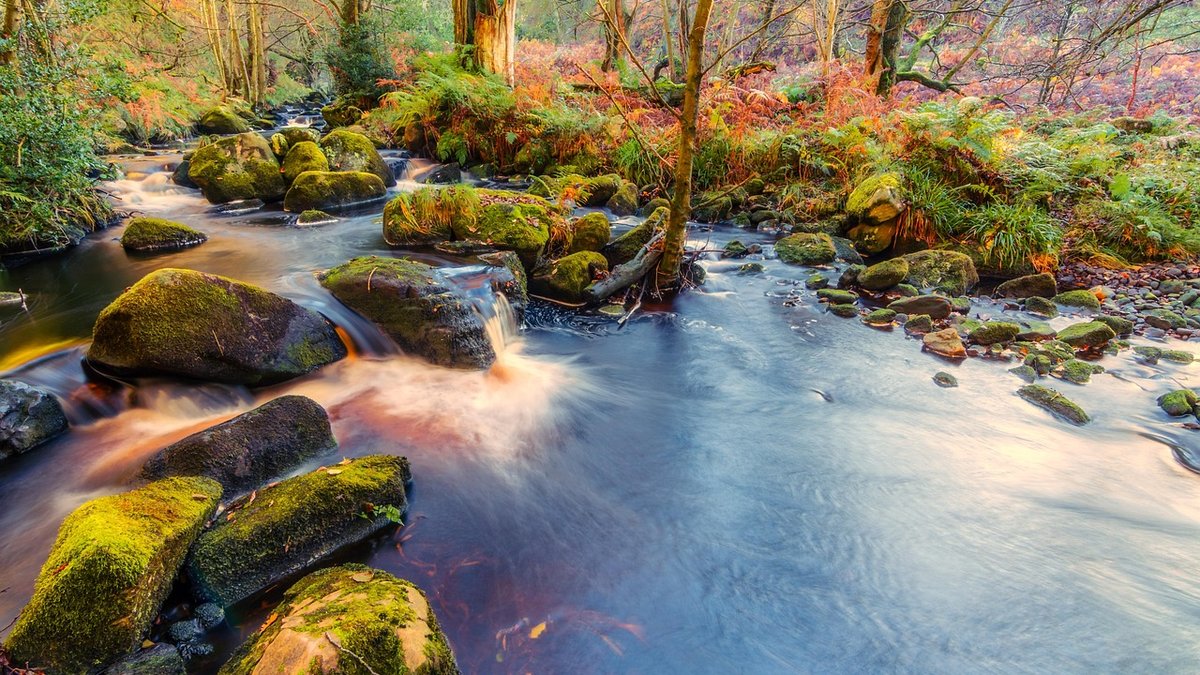
There is a particular kind of British afternoon that begins with a riverside path, a muddy spaniel, and the promise of a pint by the water. The walk has been glorious — kingfishers, buttercups, a gate that needed lifting rather than opening — and now you are standing in the doorway of a country pub with a damp dog and a hopeful expression. Before you choose a seat, though, it is worth pausing. Not every pub that welcomes walkers welcomes dogs in the same way, and assuming otherwise can turn a happy arrival into an awkward shuffle back to the car park.
Asking a few courteous questions at the bar takes thirty seconds. It also marks you out as the kind of visitor landlords remember fondly — the sort who gets a warm welcome next time, and perhaps a bowl of water without having to ask. This guide is about how to do that politely, specifically, and without making anyone feel tested.
Timing matters. The best moment to ask is when you arrive, before you have found a table, unclipped a lead, or let the dog shake itself dry over the carpet. Walk in, leave the dog with your companion just outside or on a short lead by the door, and go to the bar. Staff are usually calmest before the lunch rush and far more able to give you a straight answer than they are at ten past one with a queue forming.
Avoid asking by shouting across a busy room, and avoid asking a waitress who is carrying three plates. If there is a chalkboard, a sign by the door, or a note on the menu, read it first — many pubs state their policy clearly, and asking a question that is already answered can feel slightly careless.
The trick is to ask an open question that invites information rather than a yes-or-no that might be a reluctant "I suppose so". You want to know three things: whether dogs are allowed inside at all, whether they must stay on a lead, and whether the garden or a particular room is the dog-friendly zone.
Useful ways to put it:
Notice the tone: friendly, specific, and offering the staff an easy way to say no. "Just the garden today" gives them room to decline without embarrassment. If the answer is no dogs inside, thank them genuinely and ask whether the garden is open — or whether there is another pub a mile along the river that might suit. Locals often know.
Permission granted, you still have a small job to do. A pub that says "dogs welcome" rarely means "dogs welcome to do exactly as they please". Keep the lead on unless a member of staff explicitly says otherwise, and even then, think about whether it is sensible. A riverside pub garden may be enclosed, but it may also open onto a lane, a towpath, or a duck pond.
Watch for the unspoken rules. Is there a water bowl by the door? That is usually a good sign. Are other dogs lying quietly under tables? Follow their example. Is there a dog treat jar on the bar? A polite request for one is fine; helping yourself is not.
It also helps to think about your fellow customers. Not everyone is a dog person, and a walker with muddy boots and a wet Labrador is one thing, while a family with a toddler and a picnic is another. Sitting near the door, in a corner, or in a flagged area rather than on carpet shows consideration without you having to say a word.
Some circumstances deserve their own extra question. If your dog has been swimming in the river — and on a riverside walk, this is almost guaranteed — ask whether there is somewhere you can towel them down before they come in. Many pubs keep a stack of old towels behind the bar for exactly this reason, but it is polite to ask rather than presume.
If you are walking as a group, nominate one person to ask. A party of six all asking separate questions at the bar is overwhelming. One calm enquiry — "We're a group of six with three dogs, is that manageable?" — is far better, and gives staff the chance to find you a suitable spot.
Food is another point worth clarifying. Some pubs welcome dogs in the bar but not in the dining room, so if you are hoping to eat, ask whether you can order at the bar and eat in the dog-friendly area. Never feed your dog from the table or let it lick plates, however tempting the roast looks.
The final courtesy is the easiest: before you go, check that you have left the area as you found it. Mud wiped, water bowl returned if you moved it, no stray bits of sausage under the table. If the staff were kind to your dog, say so — a simple "thank you, she loved the water bowl" goes a long way.
Pubs along popular walking routes rely on a good relationship with the people who tramp through their doors with wet boots and wagging tails. Ask politely, listen to the answer, and keep your dog close. Do that, and you will find that the door is open for you next time — and there will almost certainly be a bowl of water waiting.

Hi, my name is Anthony kuber. I am artist and fashion designer.
I love to travel and writing blogging.
Your email address will not be published. Required fields are marked *
Software Developer & Writer
Hey, I'm Diva, a developer and writer blending code and creativity. I'm driven by a deep curiosity and a relentless pursuit of excellence. Join me as I craft digital solutions and captivating stories.


