
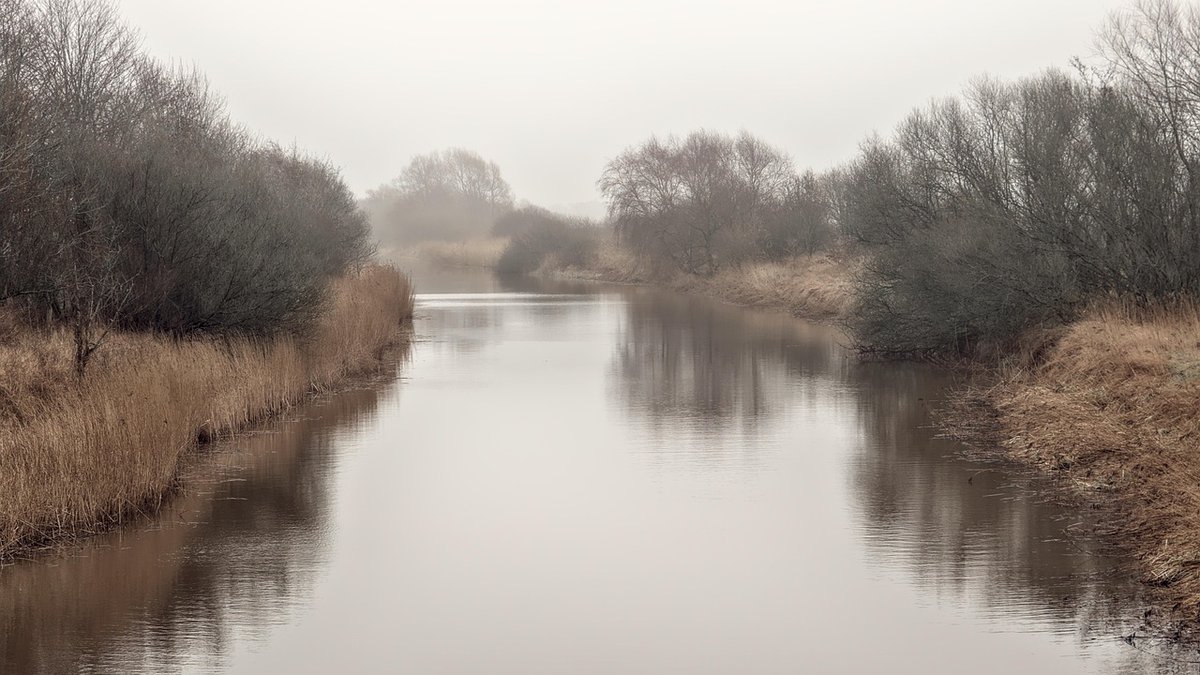
A circular ramble is a small piece of engineering, and it is far easier to design at the kitchen table than to improvise at a field gate. Begin with a proper paper map. An Ordnance Survey Explorer at 1:25,000 is the walker's standard for farmland, showing field boundaries, footbridges, ponds and the difference between a public footpath and a permissive one that the farmer may withdraw. A Landranger at 1:50,000 will serve for eight miles or more, but you will curse it at the fiddly bits.
Draw your circle in pencil. Four to seven miles makes a comfortable half day, and in rolling country the contours matter more than the distance: a route with 150 metres of climbing will take roughly twenty minutes longer than a flat one of the same length. Choose a start point with legal parking — a village hall, a marked lay-by, a quiet lane end — and never a farm gateway, however empty it looks.
The definitive map is where the rights live, but on the ground the waymarks tell the story. Public footpaths are marked with yellow arrows, bridleways with orange (walkers, horse riders and cyclists), restricted byways with purple and byways open to all traffic with red. These arrows appear on stiles, gates, fingerposts and the occasional fence post halfway across a field, usually just where you have begun to doubt yourself.
Read them alongside the map rather than instead of it. A path shown crossing a field diagonally may be marked only at each end, and a footpath that leaves the field edge to cut a corner is the one most likely to be ploughed out in autumn. Note the grid reference of your starting point before you set off, and check the route's junctions against the map as you go — it is far easier to correct a wrong turn after two hundred metres than after a mile.
Almost every farmland ramble will involve walking among animals, and a little quiet reading of their behaviour keeps everyone safe.
Cattle and horses can be unpredictable, but they are rarely interested in a calm walker who keeps to the path and moves on.
The golden rule is simple: leave every gate exactly as you find it. If it was closed, close it; if it was open and you are certain it was meant to be, leave it open. A gate left swinging in a gateway is an invitation for livestock to wander onto a road. When you pass through, use the stile or kissing gate provided rather than climbing a wall or squeezing through a hedge gap, and take your dog over carefully or lift it if needed.
In cropped fields, keep to the field edge where the path runs along it, and walk in single file. If the path crosses a growing crop, use the headland or the marked line rather than trampling a new route through the middle. Farmers can and do lose money to thoughtless feet, and a well-kept path is a path that stays open.
Not every route will be perfect. Crops sometimes swallow a footpath, a fallen tree may lie across a stile and a landowner may have moved a fence. If a path is genuinely obstructed, you may walk round the edge of the field to rejoin it — but do so along the field boundary and rejoin as soon as you can. A diversion marked with arrows should be followed without grumbling. If a problem is persistent, note the location and report it to the local highway authority, which has a duty to keep public rights of way open. A short, polite report does more good than a heated exchange at a gate.
British farmland is wet for much of the year, so plan for it. Waterproof boots with a decent tread are worth more than any gadget, and gaiters will save your trousers on a footpath that doubles as a stream. Allow a little extra time in winter, when a field of heavy clay can halve your pace, and start early enough to finish before dusk — a stile is much harder to spot by torchlight.
Park considerately and never block a gateway or a farm track. Keep dogs under control around nests and young stock in spring. Say hello to anyone you meet, take your litter home and leave nothing but footprints in the mud. Do those small things well, and the rolling farmland you walk through will stay open, welcoming and quietly beautiful for the next rambler who comes along.

Hi, my name is Anthony kuber. I am artist and fashion designer.
I love to travel and writing blogging.
Your email address will not be published. Required fields are marked *
Software Developer & Writer
Hey, I'm Diva, a developer and writer blending code and creativity. I'm driven by a deep curiosity and a relentless pursuit of excellence. Join me as I craft digital solutions and captivating stories.


