
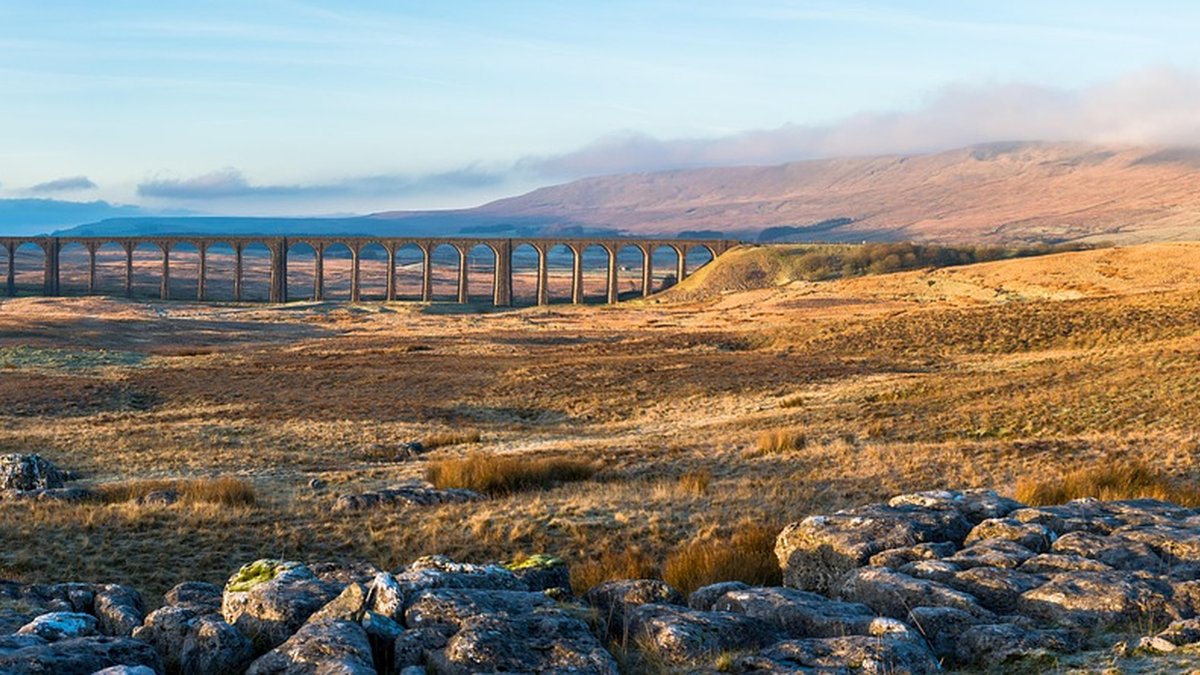
British weather rarely settles. A bright morning by the river can turn into a blustery, drizzly afternoon before you reach the next kissing gate. Riverside paths bring cooler air off the water, wind funnelled along valleys, and damp grass that soaks through fabric in minutes. Add rolling countryside, stiles, and shaded woodland, and you have constantly changing comfort. The answer is not one heavy coat. It is a flexible layering system: a light base layer, a fleece, and a packable waterproof jacket. Together they handle most conditions from spring to autumn, and with a warmer fleece they see you through winter rambles too. The goal is simple: stay dry, stay warm, and avoid overheating.
Your base layer sits next to your skin, so its job is to move sweat away from your body. Cotton is the enemy here. It soaks up moisture, clings cold and heavy, and can leave you shivering when you stop. Choose merino wool or a synthetic fabric such as polyester. Merino is soft, naturally odour-resistant, and regulates temperature well. Synthetics dry faster and cost less. For most riverside walks, a short-sleeved base layer works in summer, while a long-sleeved version suits spring and autumn. The fit should be snug but not restrictive. Never wear cotton next to your skin on a changeable day. If you feel the cold, look for a midweight option. The base layer stays on while you add or remove layers above it.
The mid layer is your main warmth regulator. A fleece is ideal because it is light, breathable, dries quickly, and insulates even when slightly damp. Fleeces come in different weights. A 100-weight fleece is perfect for summer evenings or as a spare layer in your rucksack. A 200-weight fleece handles most British spring and autumn days. A 300-weight fleece is for deep winter or very cold, exposed riverside walks. Look for a half-zip or full-zip design so you can vent heat without removing the whole layer. Choose a fleece that packs small enough to stuff into your rucksack when the sun comes out. Avoid heavy jumpers or thick sweatshirts; they trap sweat and take ages to dry. When you warm up on a climb, simply unzip or take the fleece off and tie it around your waist.
British rain does not always announce itself. A shower can sweep in over a river valley in minutes, and wind off the water makes it feel colder than the thermometer suggests. Your outer layer must be genuinely waterproof and windproof, not just shower-resistant. Look for taped seams, an adjustable hood that fits over a hat, and pit zips for ventilation. The key word is packable: a lightweight waterproof jacket should fold into its own pocket or a small stuff sack, roughly the size of a grapefruit. That way it lives at the top of your rucksack, ready to pull on without a fuss. Keep your waterproof accessible, not buried at the bottom. A 200–300g shell is enough for most three-season walking. In winter, you might prefer a slightly heavier jacket, but the principle remains the same: easy on, easy off.
Layering is not just about what you wear; it is about how you manage it. Start your walk feeling slightly cool. You will warm up within ten minutes, especially on a riverside path where you are moving continuously. As you go, pay attention to your body. If you feel sweat prickling, unzip your jacket or remove your fleece before you become soaked. If you feel a chill, add the fleece back before you start shivering. Riverside walks often alternate between open, windy stretches and sheltered, humid woodland, so conditions can shift quickly. Countryside rambling adds hills and stiles that raise your heart rate, followed by flat sections where you cool down. Better to remove a layer early than to sweat and then chill. When you stop for lunch, put your fleece and jacket back on straight away.
For a typical British spring day, try this combination: a short-sleeved synthetic base layer, a 200-weight fleece, and a packable waterproof jacket. Wear lightweight walking trousers that dry quickly, and waterproof boots. In your rucksack, carry a hat, gloves, spare socks, and a small towel. Start with the fleece on if it is chilly, or in the bag if the sun is out. As you walk, adjust: unzip when you climb, remove the fleece in a sunny meadow, add it back in shaded woodland, and pull on the waterproof when the first spots appear. The system is simple, but it gives you control over your comfort in weather that refuses to make up its mind. Embrace the changeable British climate: with the right layers, you can enjoy the river, the fields, and the fresh air without ever feeling too hot, too cold, or too damp.

Hi, my name is Anthony kuber. I am artist and fashion designer.
I love to travel and writing blogging.
Your email address will not be published. Required fields are marked *
Software Developer & Writer
Hey, I'm Diva, a developer and writer blending code and creativity. I'm driven by a deep curiosity and a relentless pursuit of excellence. Join me as I craft digital solutions and captivating stories.


